Scissor lifts are mechanical platforms designed to raise and lower heavy loads vertically using linked, crisscrossing supports. In material handling, they serve as ergonomic work positioning tools, high-capacity vertical transfer systems, and assembly station elevators.
Key Configurations in Material Handling
-
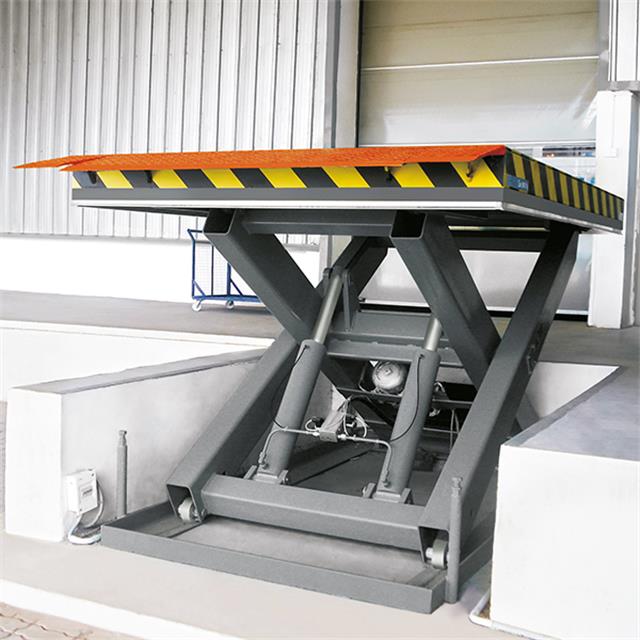
Scissor Lift Tables (Stationary): Mounted flush to the floor or pit-installed to raise materials (pallets, machinery, steel stock) to working height for feeding machines or manual packing.
-
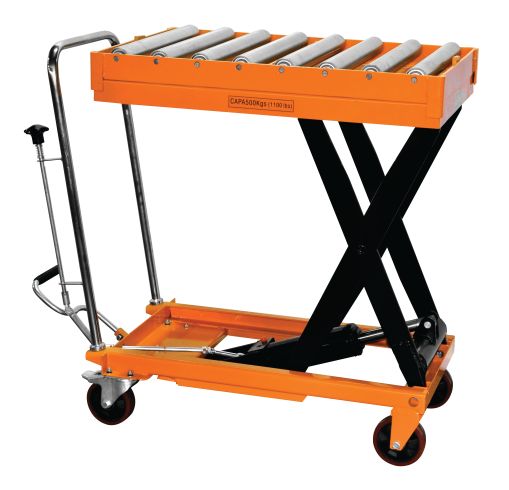
Mobile Lift Tables / Cart Lifts: Hydraulic or battery-operated mobile carts used to transport and elevate goods across warehouse floors.
-
Vertical Reciprocating Conveyors (VRCs): Integrated scissor lifts built into automated conveyor lines to transfer pallet loads between mezzanine levels and ground floors.
Core Operational Benefits
| Benefit |
Impact |
| Ergonomics & Safety |
Eliminates repetitive bending and heavy lifting, significantly reducing musculoskeletal injuries. |
| High Load Capacity |
Heavy-duty steel pantographs handle payloads ranging from 500 kg to over 20,000 kg depending on hydraulic capacity. |
| Space Efficiency |
Collapses down to a low profile when fully retracted, occupying minimal floor footprint. |
| Custom Adaptability |
Platforms can be fitted with turntable tops, ball transfer decks, roller conveyors, or tilt mechanisms. |